


Understanding the Complexity Behind Effective Product Design
- James Assche
- Feb 8
- 3 min read
Product design is often seen as simply creating something that looks good or works well. Yet, the reality is far more complex. For inventors and creators of new product ideas, understanding why product design is so complicated can help navigate the many challenges involved. This post explores the layers of complexity in product design, revealing why it demands a careful balance of creativity, technical skill, and business insight.
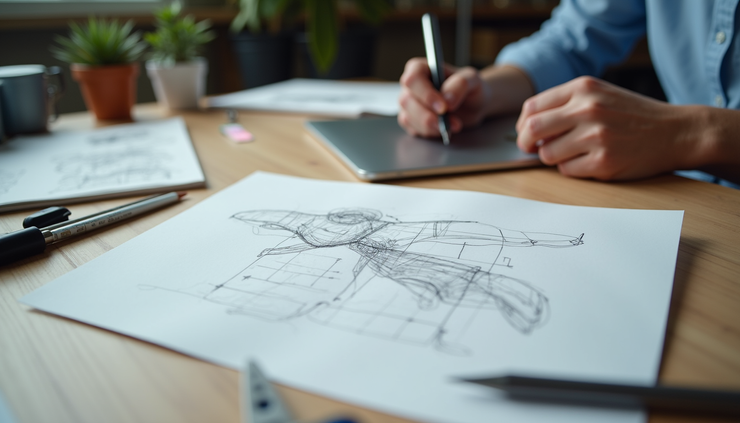
Balancing Functionality and Aesthetics
One of the first challenges in product design is making sure the product works well while also appealing to users visually. A product that looks great but fails to perform its intended function will not succeed. Conversely, a highly functional product that is unattractive or difficult to use will struggle in the market.
Designers must consider:
User needs: What problems does the product solve? How will users interact with it?
Technical feasibility: Can the product be built with available materials and technology?
Visual appeal: Does the product attract attention and convey the right message?
For example, a new kitchen gadget must be easy to handle, durable, and simple to clean, while also fitting into modern kitchen aesthetics. This requires close collaboration between engineers, designers, and user experience experts.
Navigating Market Realities and Business Goals
Product design does not happen in a vacuum. Inventors must understand the market where their product will compete. This means researching competitors, pricing strategies, and customer preferences. A product that is too expensive to manufacture or priced out of reach for the target audience will fail regardless of how well it is designed.
Key considerations include:
Cost constraints: Keeping production costs low without sacrificing quality.
Manufacturability: Designing products that can be efficiently produced at scale.
Regulatory requirements: Meeting safety and industry standards.
For instance, a new wearable device must comply with health regulations and be affordable enough to attract buyers. This often requires multiple design iterations and compromises.
The Role of User Experience in Product Design
User experience (UX) is a critical part of product design that goes beyond looks and basic function. It focuses on how users feel when interacting with the product. Good UX can turn a simple product into a beloved tool, while poor UX can lead to frustration and abandonment.
Elements of UX include:
Ease of use: Intuitive controls and clear instructions.
Comfort: Ergonomic design that fits the user’s body or habits.
Emotional connection: Creating a product that users enjoy and trust.
Consider the design of a smartphone. Beyond hardware specs, the feel in the hand, button placement, and interface design all contribute to user satisfaction. Inventors who understand this can create products that stand out.

Managing Multidisciplinary Collaboration
Product design involves many experts: industrial designers, engineers, marketers, manufacturers, and sometimes legal advisors. Coordinating these different perspectives is challenging but essential. Each discipline brings unique insights but also different priorities.
Successful product design requires:
Clear communication: Ensuring everyone understands the goals and constraints.
Iterative development: Testing and refining designs based on feedback.
Conflict resolution: Balancing competing demands like cost vs. quality or innovation vs. simplicity.
For example, an invention product design team might need to adjust a concept to meet manufacturing limits while preserving the original vision. This process takes time and flexibility.
The Impact of Technology and Innovation
New technologies can both simplify and complicate product design. Advanced materials, 3D printing, and digital modeling tools offer exciting possibilities but also require designers to learn new skills and rethink traditional methods.
Inventors often seek invention help to navigate these technologies effectively. For example:
Using CAD software to create detailed models.
Employing rapid prototyping to test ideas quickly.
Integrating smart technology into everyday products.
These tools can speed up development but also raise expectations for product performance and complexity.

Conclusion
Product design is complicated because it requires balancing many factors: functionality, aesthetics, market demands, user experience, collaboration, and technology. For inventors and new product idea creators, understanding these challenges is the first step toward success. The process demands patience, flexibility, and a willingness to learn from each iteration.


Comments